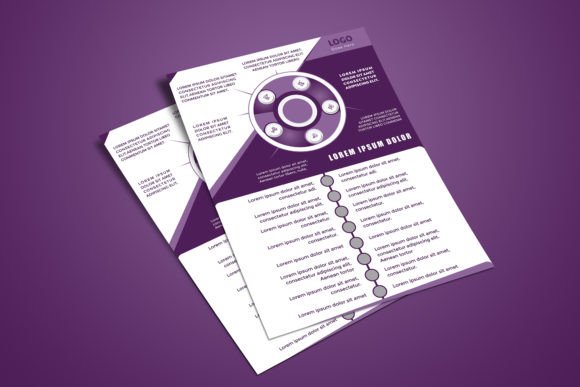
Infographic Flyer Design Vector: A Designer's Guide
When a project demands clarity and impact, the right visual assets make all the difference. You need something that communicates complex information quickly and looks professional across both digital and physical formats. This is where a resource like the Infographic Flyer Design Vector becomes a cornerstone of efficient workflow. It’s not just a template; it’s a pre-built system for visual communication, designed to save you hours of layout work while ensuring a polished, print-ready result.
Understanding the Core Asset
At its heart, this is a collection of editable business poster templates. Think of it as a toolkit for creating data-driven visuals. The "vector" specification is critical—it means every element, from icons to charts to text blocks, is built with mathematical paths rather than pixels. This allows for infinite scaling without loss of quality, which is essential for moving a design from a small social media graphic to a large-format poster or banner.
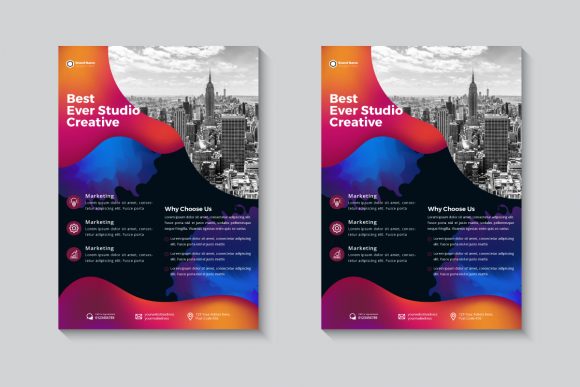
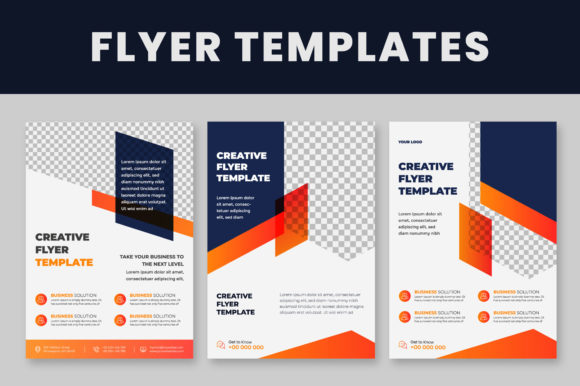
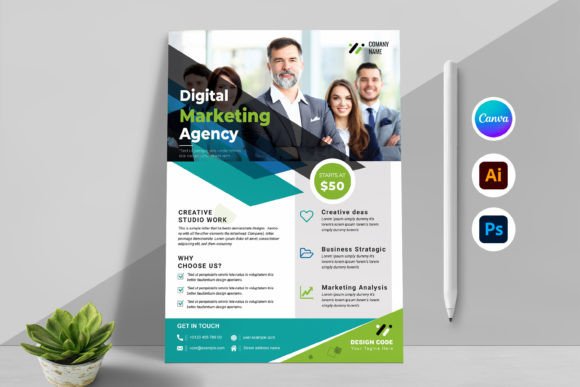
The visual personality of these templates tends to be modern, clean, and structured. You’ll find a strong emphasis on visual hierarchy, using color blocks, strategic whitespace, and consistent iconography to guide the viewer's eye through the information. The style is professional and trustworthy, making it ideal for corporate communications, educational materials, and marketing collateral where credibility is key. The overall appeal lies in its practicality—it provides a solid, attractive foundation that you can customize rather than building from zero.
Where This Design Asset Truly Shines
The applications for a versatile Infographic Flyer Design Vector are extensive, bridging the gap between various creative and commercial needs. For marketers and entrepreneurs, it’s a go-to for creating quarterly reports, sales one-pagers, or service breakdowns that need to impress stakeholders or clients. The CMYK color mode and 300 DPI resolution guarantee that what you see on screen translates perfectly to professional printing, eliminating the guesswork and last-minute fixes that plague many projects.
Small business owners and bloggers find immense value in using these templates for creating consistent brand touchpoints. Imagine using the same visual style for an in-store poster, a downloadable PDF guide, and a series of Instagram stories. This consistency strengthens brand identity and makes your content instantly recognizable. The included AI & EPS files offer full editability in Adobe Illustrator, giving you complete control to adjust colors to match your brand palette, swap out icons, or restructure layouts to fit your specific content.
Making It Work for Your Project
Simply having the file isn’t enough; effective implementation is what separates good design from great communication. Start by evaluating the template’s structure against your content. Does the visual flow support your narrative? Use the pre-defined sections for headers, key statistics, and explanatory text to build a logical argument or story.
Pay close attention to readability. While the templates are designed well, the final responsibility is yours. Ensure your body text is at a comfortable size for the intended medium. Check that the color contrast between text and background meets accessibility standards. Test the layout by printing a draft or viewing it on multiple devices. A well-designed infographic flyer should be as easy to understand at a glance as it is to read in detail.
When customizing, think beyond the immediate task. Could a chart from this template be repurposed as a standalone element in a presentation? Could an icon set be extracted and used across your website? Treating the asset as a library of design components rather than a single-use file dramatically increases its return on investment. This approach is a hallmark of working with premium design assets—you’re not just buying a flyer; you’re investing in a flexible system.
Final Considerations Before You Dive In
Before you commit, take a moment to review the specifics. The note that fonts are outlined is a significant detail. It means the text is converted to vector shapes, ensuring perfect reproduction on any system, even if you don’t have the original font installed. However, this also means you cannot edit the text directly; you must use the Text tool in Illustrator to rewrite content within the outlined shapes, which is a standard professional practice for print-ready files.
Licensing is another crucial checkpoint. The description confirms this is a commercial font asset, but always double-check the terms for your intended use, especially if the final product will be for resale or mass distribution. The best practice is to review the license agreement included with your purchase to ensure full compliance.
Ultimately, a resource like the Infographic Flyer Design Vector is about empowerment. It provides the tools for clear, beautiful, and effective visual communication, allowing you to focus on your message and your audience. It’s a practical solution for anyone who needs to present information with professionalism and style, without needing a degree in graphic design.